

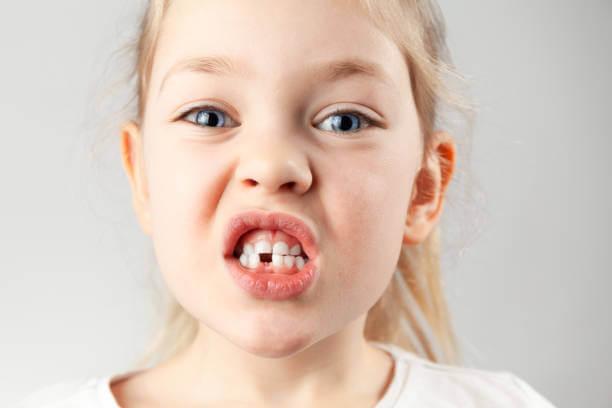
Playground falls, scooter spills, and sports collisions are part of growing up — and sometimes a tooth takes the hit. If your child knocked out a tooth in NYC, what you do in the next hour matters, especially if it is a permanent tooth. Here is a clear, step-by-step guide.
First: Is It a Baby Tooth or a Permanent Tooth?
Children generally start losing baby teeth around age 6, and permanent front teeth come in between about ages 6 and 8. If you are not sure which kind of tooth it is, treat it as a permanent tooth and call your pediatric dentist right away.
If a Permanent Tooth Is Knocked Out
A knocked-out permanent tooth is a true dental emergency. The best chance of saving it is to get it back into the socket quickly — ideally within 30 to 60 minutes.
- Find the tooth and pick it up by the crown (the white chewing part), not the root.
- If it is dirty, rinse it briefly with milk or saline. Do not scrub it, dry it, or wrap it in tissue.
- Try to place it back in the socket if your child is calm and able to cooperate. Have them gently bite on a clean cloth to hold it in place.
- If you cannot put it back, keep the tooth moist in a small container of cold milk or saline. An older child can hold it inside the cheek, but avoid this with young children who might swallow it.
- Call your pediatric dentist immediately and head to the office or the nearest emergency room.
If a Baby Tooth Is Knocked Out
Do not try to put a baby tooth back in. Reimplanting a primary tooth can damage the permanent tooth developing underneath it. Instead:
- Have your child rinse gently with water
- Apply light pressure with clean gauze to control bleeding
- Use a cold compress on the outside of the lip or cheek for swelling
- Call your pediatric dentist the same day so we can check for injuries to the gums, bone, or neighboring teeth
When to Go to the Emergency Room
Go directly to an emergency room if your child hit their head and shows signs of a head injury — such as vomiting, confusion, loss of consciousness, or unusual sleepiness — or if bleeding does not stop with firm pressure. Medical concerns come first; dental care can follow.
What Happens at the Dental Office
For a reimplanted permanent tooth, the dentist will check the position, take X-rays, and usually place a flexible splint that holds the tooth steady while it heals. Follow-up visits are important, because a traumatized tooth can need additional treatment weeks or months later.
For a lost baby tooth, we examine the area, check the surrounding teeth, and talk with you about whether a space maintainer is needed to hold room for the permanent tooth.
Preventing Dental Injuries
- Use a properly fitted mouthguard for contact sports, basketball, soccer, and skating
- Make sure car seats and booster seats are installed correctly
- Childproof furniture edges for toddlers who are learning to walk
Save Our Number Before You Need It
Emergencies are stressful, and having a plan helps. Add (212) 355-7760 to your phone now. Learn more about our emergency pediatric dentist services in NYC.
This article is general information and not a substitute for professional care. In an emergency, call your dentist or seek immediate medical attention.