

If your child has been told they need a dental spacer, it is normal to have questions. Most parents want to know what it is, whether it will hurt, and whether it means braces are coming soon.
A dental spacer is a small device used to hold space for a permanent tooth or create room before orthodontic treatment. In children, this usually means either a space maintainer after early baby tooth loss or a separator placed before orthodontic bands.
In simple terms, a spacer helps keep nearby teeth from drifting into the wrong position. That matters because teeth can move quickly in a growing mouth.
At Bright Healthy Smiles in New York, NY, we offer an orthodontic evaluation for children and teens to help clarify whether a spacer is a short-term step or part of early orthodontic care.
Why a Child May Need a Dental Spacer
Baby teeth do more than help with chewing and speech. They also guide permanent teeth into place.
If a baby tooth is lost too early, nearby teeth can start shifting into that space. That can make it harder for the permanent tooth to come in where it should.
A pediatric dentist or orthodontist may recommend a spacer after tooth loss caused by decay, infection, injury, or extraction. A spacer may also be used before braces to gently open a small gap between teeth.
This does not always mean your child will need full orthodontic treatment later. It means the dental team is trying to protect spacing and lower the chance of a bigger alignment problem.
Regular early dental visits can make it easier to monitor spacing and catch small changes early.
What a Dental Spacer Is
The term dental spacer can describe more than one device. In children, it usually refers to either a space maintainer or an orthodontic separator.
A space maintainer is used after early tooth loss to keep a gap open until the permanent tooth is ready to erupt, or come through the gums. Space maintenance is often recommended when a baby tooth is lost early and nearby teeth might otherwise drift into that area.
An orthodontic separator is a tiny elastic or metal piece placed between teeth for a short time. It creates enough room for an orthodontic band or similar appliance.
The right type depends on your child’s age, which tooth is involved, and how soon the permanent tooth is expected. That is why the same word can mean different things at different visits.
Common Types Parents May Hear About
A fixed space maintainer is attached to a tooth and stays in place until the dentist removes it. This is common for younger children or for kids who may have trouble keeping a removable appliance in place.
A removable space maintainer looks more like a small retainer. It is used in selected cases and works best for children who can follow instructions carefully.
Orthodontic separators are much smaller and more temporary. They are often placed for a few days before bands are fitted.
What It Feels Like for Your Child
Most kids say a spacer feels strange more than painful. They may notice pressure, mild soreness, or food catching around the area for the first few days.
If the spacer is creating room between teeth, it can feel like something is stuck there. If it is a space maintainer, your child may need a short adjustment period while the tongue and cheeks get used to it.
Mild tenderness with chewing is common at first. With orthodontic separators, pain decreases significantly after the first few days for many patients.
Severe pain, swelling, bleeding, or a device that cuts into the gums is not typical. If that happens, call the dental office.
How Long a Spacer Stays In
Some spacers stay in only a few days. This is common with orthodontic separators placed before bands.
Others stay in for months, and sometimes longer, when they are holding space for a permanent tooth. The timeline depends on your child’s growth, tooth development, and how close the adult tooth is to erupting.
Regular follow-up is important. A spacer that becomes loose or stays in too long may stop doing its job well.
Pediatric dentists usually monitor these appliances during routine visits and with X-rays when needed. If you want to learn more about ongoing care for growing smiles, our dental checkups page explains what to expect.
What Families Can Expect at the Appointment
The visit is usually straightforward. The dentist or orthodontist will examine the teeth, review X-rays if needed, and choose the type of spacer that fits your child’s mouth and treatment goal.
Some spacers can be placed the same day. Others, especially fixed space maintainers, may require an impression or digital scan so the appliance fits accurately.
After placement, the dental team will explain what is normal, which foods to avoid, and when to come back. Families should leave with a clear understanding of what the spacer is meant to do and what changes are worth calling about.
For many families, the next best step is a pediatric services visit that clearly explains the reason for the spacer and what to expect over the next few months.
Eating, Brushing, and Daily Care
Children can usually eat normally with a few adjustments. Sticky foods, chewy candy, and habits like pulling on the spacer with fingers or the tongue can loosen it.
Brushing should continue as usual, with extra attention around the appliance. The goal is to reduce plaque, a sticky film of bacteria, and keep the gums healthy while the spacer is in place.
If food gets trapped often, that does not always mean something is wrong. It may simply mean the area needs more careful cleaning, but persistent irritation or bad odor should be checked.
When to Call the Dentist
Call the office if the spacer falls out, bends, feels loose, or starts rubbing the gums or cheek. A spacer that is not stable may stop protecting the space and can become a choking risk in younger children.
You should also reach out if there is increasing pain, swelling, pus, fever, worsening trouble chewing, or a tooth that seems to be shifting. These signs do not always mean a serious problem, but they should be reviewed promptly.
For severe pain, swelling, or a device that poses a risk, contact an emergency pediatric dentist. If you are unsure whether symptoms rise to the level of a dental emergency, it is safest to call for guidance.
If your child has trouble breathing or swallowing, seek urgent medical care right away. That is not an expected reaction to a routine spacer.
Does a Spacer Mean Braces Are Next?
Not always. A dental spacer for kids may be used simply to preserve room after early tooth loss, and nothing more may be needed at that stage.
In other cases, a spacer is part of orthodontic treatment and helps prepare the teeth for bands or another appliance. The bigger picture depends on crowding, bite development, jaw growth, and how the permanent teeth are coming in.
This is one reason an early orthodontic evaluation can be helpful. It gives families a clearer sense of whether the spacer is a short-term step or part of a longer treatment plan.
Why Early Follow-up Matters
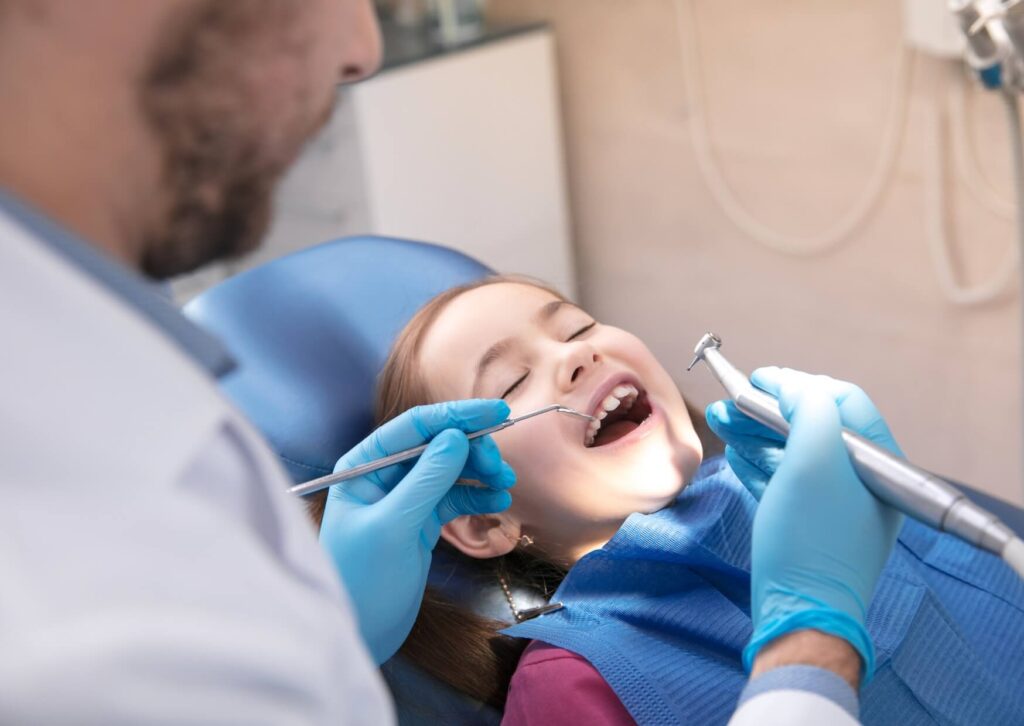
Children’s teeth are always changing, and spacing can shift quickly during growth. A spacer works best when it is checked at the right intervals and adjusted to your child’s development.
If something feels off, it is better to ask early than wait for the next routine cleaning. A quick exam can often confirm whether the appliance is working properly or needs repair or replacement.
For most families, the next best step is a pediatric dental or orthodontic visit that explains the reason for the spacer clearly and maps out what to expect over the next few months.
For an in-person orthodontic evaluation at Bright Healthy Smiles in New York, serving families from the Upper East Side to Downtown Manhattan, call (212) 355-7760 to schedule a convenient appointment.
FAQs
Are dental spacers painful for kids?
They are usually more uncomfortable than painful. Mild pressure or soreness is common at first, but strong pain or swelling should be checked.
How long does a dental spacer stay in?
It depends on the type. Some stay in for a few days, while others remain in place for months until the permanent tooth is ready.
What happens if a child’s spacer falls out?
Call the dental office as soon as possible. If the space closes, nearby teeth may drift, which can make later treatment more difficult.
Can a child eat normally with a spacer?
Usually yes, with some caution around sticky or chewy foods. The dental team may give specific food advice based on the type of spacer.
Does every child who gets a spacer need braces later?
No. Some children need a spacer only to maintain room after early tooth loss, while others may be in the early stages of orthodontic treatment.