
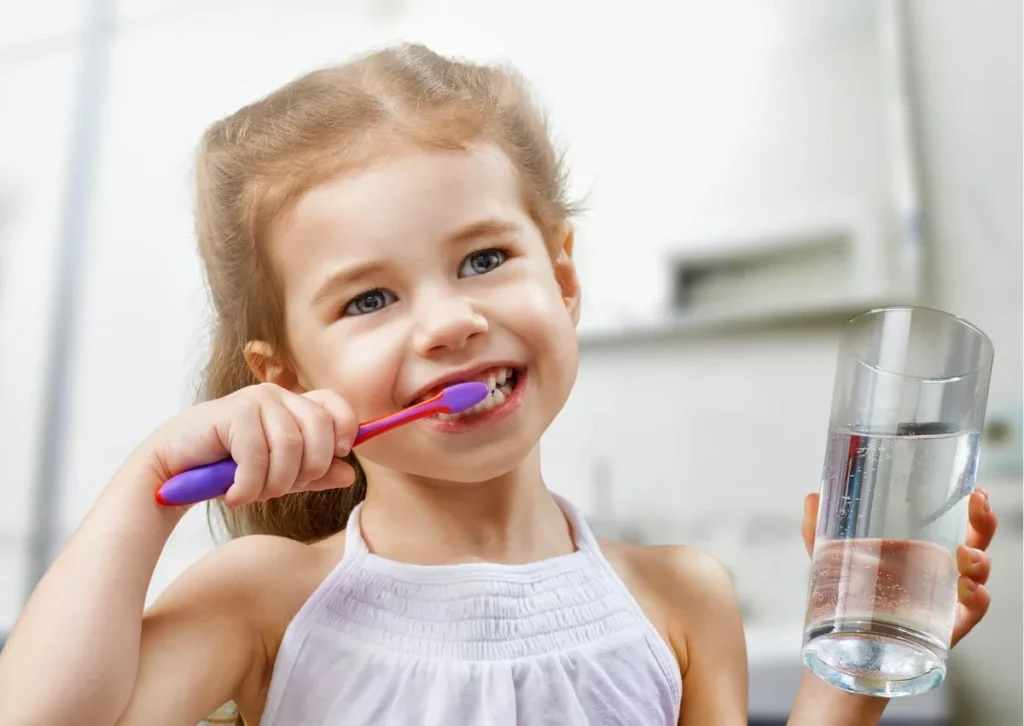
Many parents worry when a child has frequent snacks, braces, or mixed messages about sugar and brushing. The short answer is that cavities are often preventable when daily habits, regular dental care, and a few protective treatments work together.
A cavity is a damaged area in a tooth caused by acids made by bacteria in dental plaque, the sticky film that builds up on teeth. These acids slowly weaken enamel, especially when teeth are exposed to sugar often and are not cleaned well enough.
For kids and teens, cavity prevention is not just about brushing harder. It is about lowering how often teeth face acid attacks, helping enamel stay strong, and catching early changes before they turn into holes in the tooth.
Bright Healthy Smiles provides gentle dental checkups for children in New York, NY and offers the preventive care many families find helpful.
Why Kids and Teens Get Cavities So Easily
Children are often more cavity-prone because they snack more often, are still learning to brush well, and may miss the back teeth where food and plaque collect. Teens may face a different set of challenges, including sports drinks, busy schedules, late-night snacking, and inconsistent routines.
Braces and other orthodontic appliances can also raise risk because they create more places for plaque to stick. This is a common reason families feel like they are doing everything right but still hear about early decay at checkups.
Some children also have deep grooves in the molars, crowded teeth, dry mouth, or enamel that is more vulnerable. These factors do not guarantee cavities, but they do make tooth decay prevention more important.
The Daily Habits That Matter Most
The most reliable way to prevent cavities is to keep plaque from sitting on teeth for long periods and to support enamel with fluoride. Families usually do best with routines that are simple enough to repeat every day.
Brush thoroughly twice a day with a fluoride toothpaste. Choosing the right brush can help, so learn about types of toothbrushes.
Younger children usually need hands-on help longer than parents expect, especially along the gumline and on the chewing surfaces of the back teeth. Flossing matters once teeth touch because a toothbrush cannot clean between them well.
This is especially important during the school-age years, when many cavities begin between back teeth and may not be visible without dental X-rays. If a child has braces, cleaning needs to be more deliberate.
Brushing around brackets and along the gumline can make a major difference in whether white spots or cavities develop during orthodontic treatment. Consistency matters more than perfection.
How Sugar Actually Causes Cavities
Sugar does not directly drill holes in teeth. The problem is that bacteria in plaque feed on sugars and starches, then produce acid that softens enamel.
What often matters most is frequency, not just amount. A child who sips juice, sports drinks, or sweetened milk over a long period may face more cavity risk than a child who has a sweet item with a meal and then gives the mouth time to recover.
Research on the frequency of added sugars supports this pattern in children. Sticky foods can also be a problem because they stay on teeth longer.
Crackers, gummies, dried fruit, and frequent snack bars may seem harmless, but they can fuel repeated acid exposure. A practical approach is to keep sweets and starchy snacks more structured instead of constant.
Fewer eating and drinking episodes during the day often help more than families expect.
Foods and Drinks That Help Protect Teeth
Water is one of the best tools for cavity prevention, especially fluoridated tap water when available locally. It helps rinse the mouth, supports saliva, and does not feed acid-producing bacteria.
Saliva is the mouth’s natural defense system. It helps neutralize acid and brings minerals back to enamel, which is why frequent sipping of sugary or acidic drinks can be so hard on teeth.
Cheese, yogurt without added sugar, nuts when age-appropriate, and crunchy produce can fit well into a tooth-friendlier routine. These foods do not replace brushing, but they usually create less risk than sticky sweets and frequent sweet drinks.
For families on the go, one of the biggest wins is replacing routine juice, soda, or sports drinks with water most of the time. That one change can lower everyday cavity risk in a very real way.
Fluoride, Sealants, and Other Protection From the Dentist
Fluoride helps strengthen enamel and can slow or reverse very early tooth damage before a true cavity forms. This is one reason dentists often recommend fluoride exposure both at home and during regular visits.
Parents who want more detail can review fluoride toothpaste guidelines. Dental sealants are thin protective coatings placed on the chewing surfaces of back teeth.
They are especially useful for molars with deep grooves, where toothbrush bristles may not clean well. For many school-age children, dental sealants are one of the most effective preventive treatments available.
They do not replace brushing or flossing, but they can lower risk in the areas where cavities commonly start. A dentist may also look at bite alignment, crowding, dry mouth, enamel defects, and orthodontic appliances when deciding how aggressive prevention should be.
That kind of risk-based planning is often more useful than one-size-fits-all advice. If you want an overview of the kid-focused services a practice may offer, see more about pediatric dentistry.
Early Signs a Cavity May Be Starting
Early cavities do not always hurt. In fact, many are found during routine exams or X-rays before a child notices anything at all.
Possible warning signs include white chalky spots on teeth, new brown areas, sensitivity to cold or sweets, food trapping between teeth, or pain when chewing. If your child seems to have teeth sensitive to sugar, mention it at your visit.
Bad breath alone is not proof of a cavity, but it can sometimes go along with plaque buildup or untreated decay. If a child has swelling, significant pain, fever, or trouble eating, that needs prompt dental attention.
Facial swelling or severe tooth pain can suggest a more urgent problem than a small cavity and should not be ignored. Seek prompt dental care and learn about toothache relief.
When Braces, Crowding, or Mouth Breathing Raise the Risk
Braces, expanders, and retainers can trap plaque around wires and edges. Crowded teeth can also create tight spaces that are harder to clean well, even for careful brushers.
Mouth breathing may dry the mouth, especially overnight. A dry mouth has less protective saliva, which can make enamel more vulnerable to acid and may also increase gum irritation.
These situations do not mean cavities are unavoidable. They do mean a child may need closer follow-up, more coaching on cleaning technique, and a prevention plan adjusted to real-life risk.
What Families Can Expect at Preventive Dental Visits

Preventive visits usually include an exam, cleaning, and a review of home care and diet patterns. Depending on age and risk, the dentist may recommend X-rays to check areas between teeth or under the surface where decay can be hidden.
This is also when families can ask practical questions about toothpaste, flossing struggles, braces care, snack patterns, and whether sealants or fluoride treatments make sense. In many practices, early preventive care is covered in early childhood dental visits.
Professional cleanings remove buildup that brushing alone may miss. Parents can learn more about scheduling a cleaning as a preventive step.
If a child keeps getting cavities, the goal should not be blame. The better approach is to identify the pattern, whether that is frequent snacking, missed flossing, enamel weakness, dry mouth, or cleaning challenges around orthodontic appliances.
When a cavity does form, options like dental fillings are commonly used to repair the tooth and restore function.
A Simple Plan for How to Prevent Cavities at Home
A strong home routine does not need to be complicated. It needs to be repeatable, age-appropriate, and supported by regular dental visits.
A practical prevention plan often includes:
- Brushing twice a day with fluoride toothpaste
- Flossing once teeth touch each other
- Choosing water as the main drink between meals
- Limiting frequent sugary or sticky snacks
- Scheduling regular dental exams and cleanings
- Asking about fluoride treatments or sealants when risk is higher
Persistent Cavities Deserve a Closer Look
If a child has ongoing sensitivity, visible spots on teeth, or repeated cavities despite good effort, schedule an evaluation rather than guessing. A dentist can look for causes that are easy to miss at home and help tailor the next steps before the problem grows.
Bright Healthy Smiles offers gentle dental checkups in New York, NY and cares for families from nearby Upper East Side and Downtown Manhattan; call (212) 355-7760 to schedule your child’s checkup.
FAQs
Can baby teeth cavities really matter if those teeth fall out anyway?
Yes. Baby teeth help with chewing, speech, comfort, and guiding permanent teeth into place. Untreated decay in baby teeth can also lead to pain, infection, and missed school.
Is brushing after every snack necessary?
Not usually. For most families, brushing twice a day, limiting frequent sugary snacks, and drinking water between meals is a more realistic and effective plan.
Are cavities always painful?
No. Many early cavities cause no pain at all. That is why regular dental exams are important, especially for cavities that start between teeth.
Do sealants replace brushing?
No. Sealants protect the chewing grooves of certain teeth, usually molars, but they do not clean plaque off the rest of the tooth or between teeth.
When should a child see a dentist sooner than the next routine visit?
Schedule sooner if there is persistent tooth pain, visible holes, new dark spots, swelling, sensitivity that is getting worse, or trouble eating. If there is facial swelling, fever, or severe pain, seek prompt dental care.